






Fiberglass Monocoque Camper: 5 Unmissable Benefits You Need to Know
In the world of recreational vehicles, choosing the right camper is not limited to design or number of beds. More and more experienced travelers are looking for construction quality, insulation, durability and weather resistance. In this scenario, the monocoque fibreglass motorhome emerges as one of the most innovative and reliable solutions.
Unlike traditional campers, built with assembled panels, this type offers a series of structural and functional advantages that really make the difference. Let's look at the 5 reasons why you should seriously consider a fiberglass monocoque camper, like those produced by Wingamm, the Italian leader in this technology.
1. No infiltration: the strength of the jointless structure
One of the most frequent problems in conventional campers is represented by the water infiltration. Over time, the joints between panels deteriorate due to vibrations, rain, frost and temperature variations. This leads to leaks, mold, deterioration of materials and, in extreme cases, significant structural damage.
The fiberglass monocoque camper eliminates this risk at the root. In fact, it is made in a single block, without joints, using the artisanal process Hand + Spray Lay-Up. The result is a continuous shell, waterproof and resistant to all weather conditions.
In other words: no joints, no leaks, no worries.
Find out how fiberglass monocoque campers are built
2. Superior thermal and acoustic insulation
A good camper is not just a mobile home: it is a refuge, capable of offering comfort in every season. This is where insulation comes into play. The Wingamm fiberglass monocoque is internally insulated with high density polyurethane foam, a material that guarantees much higher insulating performance than traditional materials such as XPS or EPS.
The benefits are felt immediately:
-
Warm in winter and cool in summer
-
Condensation reduction
-
Silence while driving and stopping
This type of insulation improves the quality of the journey and reduces the need for heating or air conditioning, with direct energy savings.
3. Artisanal production: more time to do it, more value over time
A monocoque camper requires Production times up to 10 times faster compared to paneled campers. Why? Because each phase is followed manually, with absolute attention to detail. At Wingamm, from design to lamination, up to fixing the body to the chassis, everything happens internally.
The monocoque is fixed to the Ducato chassis with double structural bonding (3M + Würth), ensuring exceptional rigidity and durability. It is not mass production, but a custom handcrafted construction. And for this very reason, the result is a camper that lasts longer, resists better and maintains its value over time.
4. Interior spaces optimised down to the last centimetre
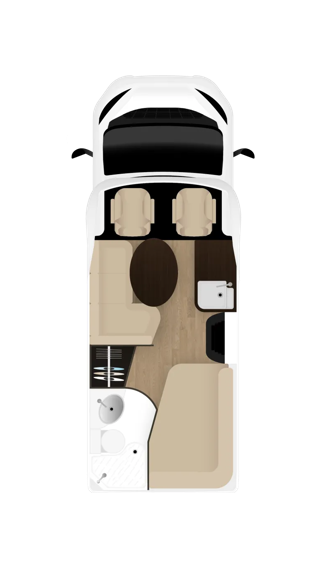
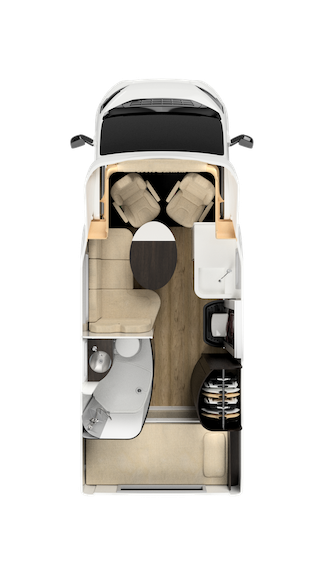
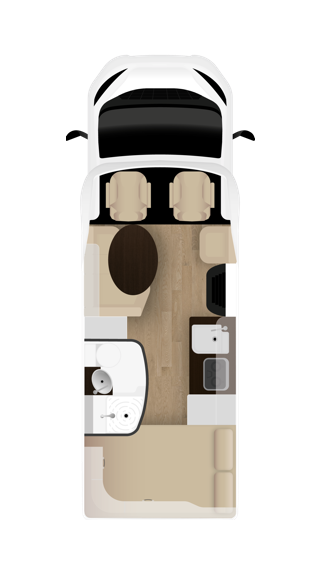
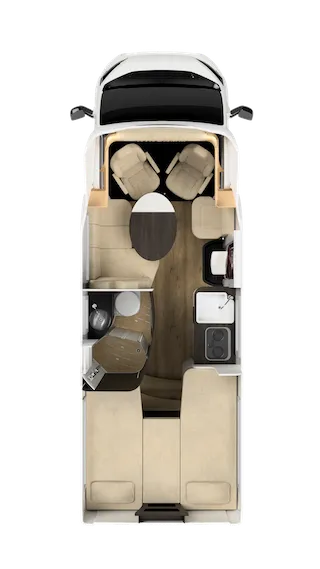
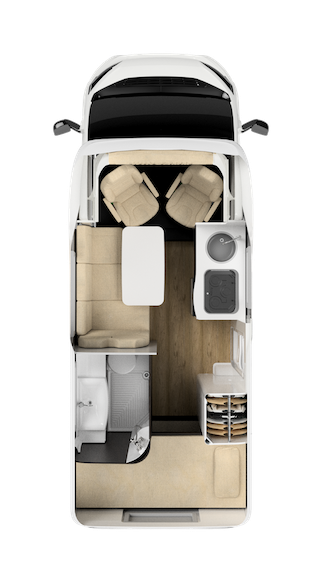
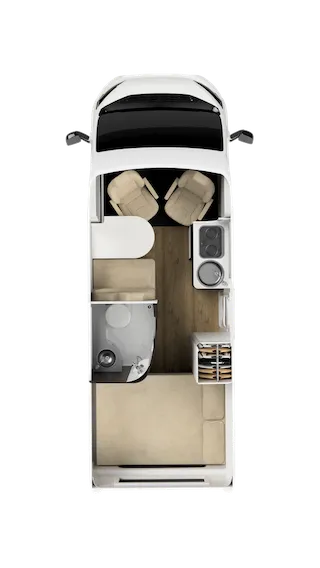
Another strong point of Wingamm monocoque campers is the intelligent use of space. No prefabricated furniture is used, but each piece of furniture is custom designed to fit perfectly into the curved shape of the cell.
The internal carpentry shop – the productive heart of the company – produces:
-
Ergonomic kitchens
-
Custom made dinette
-
Integrated wardrobes
-
Functional toilets even in 5.40 m campers
The materials are carefully chosen: Poplar plywood from protected crops, high-tech laminates Harp, finishes that combine resistance and beauty. It is a philosophy inherited from the Veronese furniture tradition, which the founders have kept alive since 1977.
5. Long-term value and low maintenance
A fiberglass monocoque camper is not only more resistant, it is also more stable in value in the long term. Wingamm models maintain excellent prices on the second-hand market thanks to their waterproof structure, the quality of the materials and the artisanal construction.
Furthermore, they require much less maintenance:
-
No need for periodic resealing
-
Greater protection from impacts, scratches and hail
-
Long life of the structure even after 15-20 years
This translates to fewer hidden costs e more serenity for the owner.
Bonus: A compact camper that drives like a car
The monocoque also allows for a weight and shape optimization. Wingamm campers, like the Oasi 540, are just 5.40 m long but offer surprising interior living spaces. Their compactness also makes them ideal for those with little experience driving large vehicles or for those who want a versatile vehicle for long trips, weekends or urban use.
Conclusion
Choose a monocoque fibreglass motorhome means choosing a vehicle designed to last, offer comfort and guarantee you carefree travel in all conditions. Wingamm represents Italian excellence in this sector: each model is the result of experience, innovation and obsessive attention to detail.
It's not just a camper, but an investment in freedom, safety and quality.